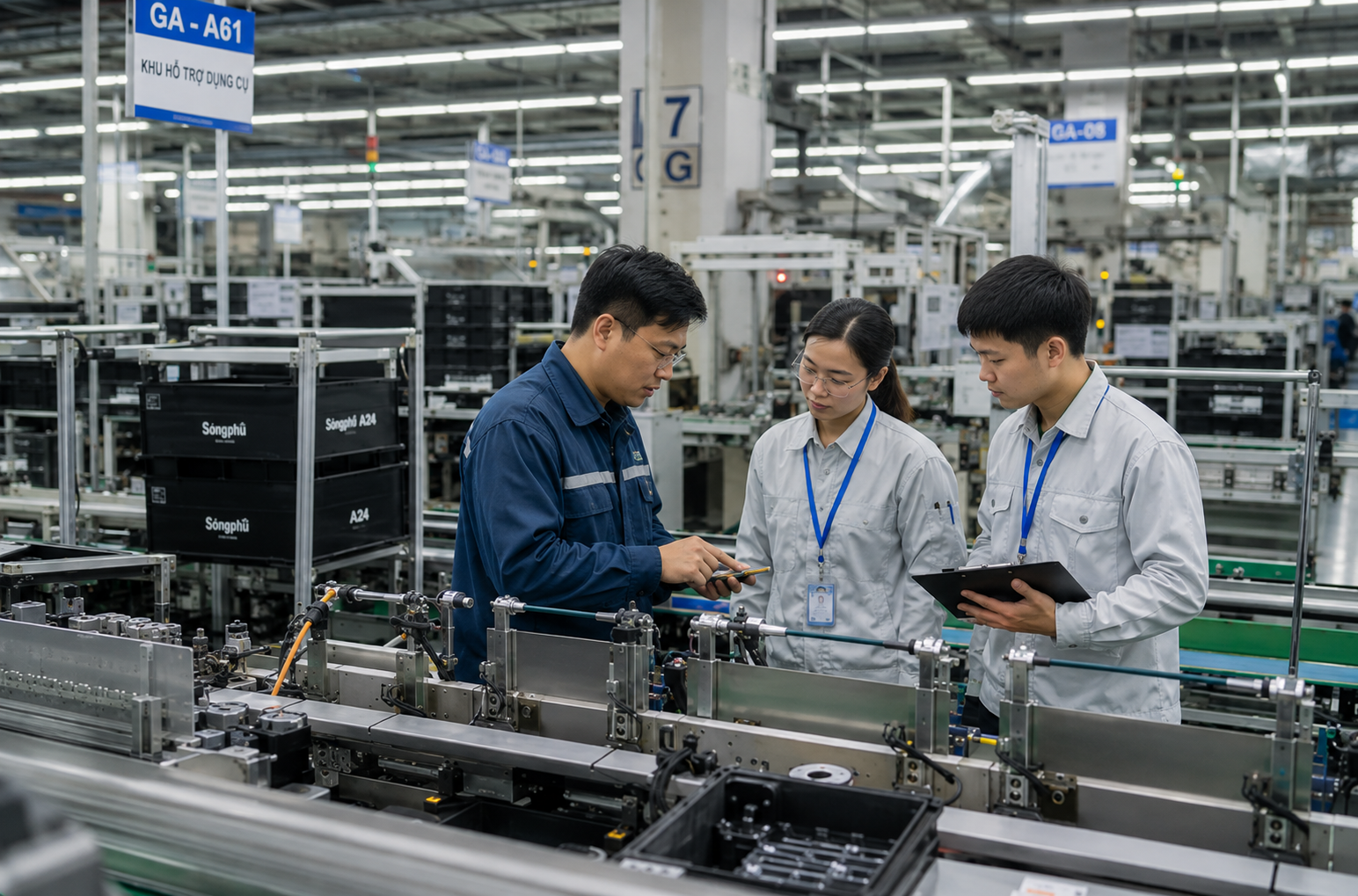
For decades, global sourcing strategies were built around efficiency. Businesses focused on reducing costs, streamlining production, and maximising operational performance across increasingly interconnected markets.
Today, that approach is being reconsidered. Trade uncertainty, geopolitical tensions, and supply-chain disruptions are prompting companies to rethink how sourcing decisions are made. According to the World Trade Organization (WTO), growing trade fragmentation continues to influence global trade patterns and business strategy [1]. As a result, operational resilience is becoming an increasingly important factor in how businesses evaluate suppliers, manufacturing locations, and long-term sourcing opportunities.
Why Efficiency Alone Is No Longer Enough
For many years, sourcing strategies were designed around efficiency. Concentrating production, reducing inventory, and optimising costs helped businesses build highly streamlined supply chains.
However, recent disruptions have exposed the limitations of this model. Geopolitical tensions, logistics bottlenecks, and changing trade policies have highlighted how quickly operational risks can spread across interconnected supply chains. According to UNCTAD, growing uncertainty in the global trade environment continues to influence business investment and sourcing decisions [2].
As a result, businesses are increasingly recognising that the most efficient supply chain is not always the most resilient one. The ability to adapt, maintain continuity, and respond to disruption is becoming just as important as cost optimisation itself.
Building Resilience Through Diversification and Visibility
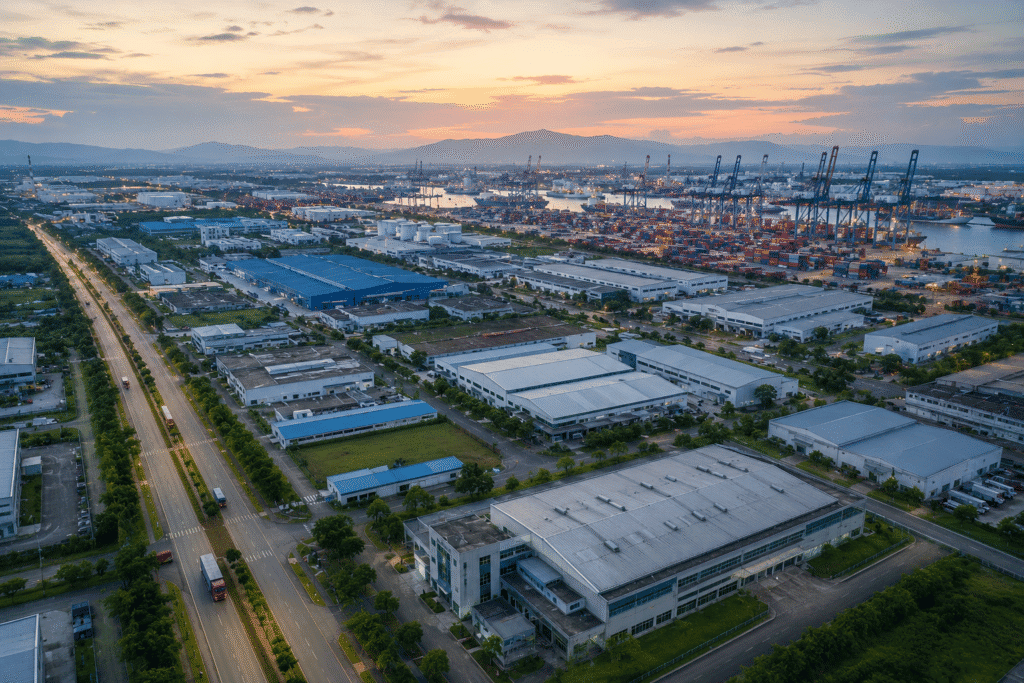
Diversification is no longer viewed simply as a way to reduce dependence on a single sourcing market. Increasingly, businesses are accepting higher levels of operational complexity in exchange for greater continuity and flexibility when disruptions occur.
This shift is becoming visible across global manufacturing. What began as “China+1” strategies is gradually evolving into broader diversification efforts aimed at strengthening operational continuity and reducing concentration risk.
For many organisations, the competitive advantage lies not in avoiding disruption entirely, but in responding faster and more effectively when disruption occurs.
Increasingly, sourcing decisions are supported by:
- greater supply-chain visibility
- stronger supplier coordination
- faster decision-making capabilities
According to Reuters, many manufacturers continue to expand sourcing and production across multiple markets as part of broader continuity and risk-management strategies [3].
In this environment, resilience is becoming less about reacting to disruption and more about building the capability to adapt before disruption occurs.
Why ASEAN Is Becoming Increasingly Relevant
As operational resilience becomes a sourcing priority, businesses are placing greater value on diversification. ASEAN’s diverse manufacturing ecosystem spans multiple economies, allowing companies to reduce dependence on a single sourcing market while maintaining access to a broad range of production capabilities.
The region’s growing role is also reflected in its manufacturing trajectory. According to Kearney, ASEAN’s manufacturing sector is projected to generate approximately USD 1.2 trillion in manufacturing output by 2030, with annual growth of around 6% [4]. This combination of manufacturing scale and geographic diversity is strengthening ASEAN’s position as a sourcing destination in an increasingly uncertain trade environment.
As sourcing networks become more geographically diversified, businesses must also reconsider how they identify and evaluate sourcing opportunities.
What This Means for UK Businesses
As sourcing decisions become more complex, resilience is evolving beyond a risk-management consideration. Increasingly, resilience is becoming a factor that influences not only risk exposure, but also the ability of businesses to maintain customer commitments, protect revenue streams, and respond to changing market conditions.
At the same time, making informed sourcing decisions requires greater visibility into markets, suppliers, and manufacturing capabilities. For many businesses, understanding opportunities today often requires more than desktop research — it requires direct engagement with industry stakeholders operating within evolving production ecosystems.
In this context, platforms such as the Viet Nam International Sourcing Expo provide opportunities for businesses to gain first-hand market insights, explore supplier capabilities, and build relationships that support more informed sourcing decisions in an increasingly complex trade environment.
Vietnam International Sourcing Expo 2026
Time: 03–05 September 2026
Venue: Saigon Exhibition and Convention Center (SECC), Ho Chi Minh City
For more information and registration: https://vietnamsourcingexpo.vn/en/register/
References:
[1] World Trade Organization (Global Trade Outlook and Statistics, 2026)
[2] UNCTAD, Trade and Development Report (2026 updates)
[3] Reuters, global supply-chain diversification and manufacturing strategy coverage (2025–2026)
[4] Kearney; Singapore Economic Development Board (EDB); ASEAN manufacturing outlook 2026