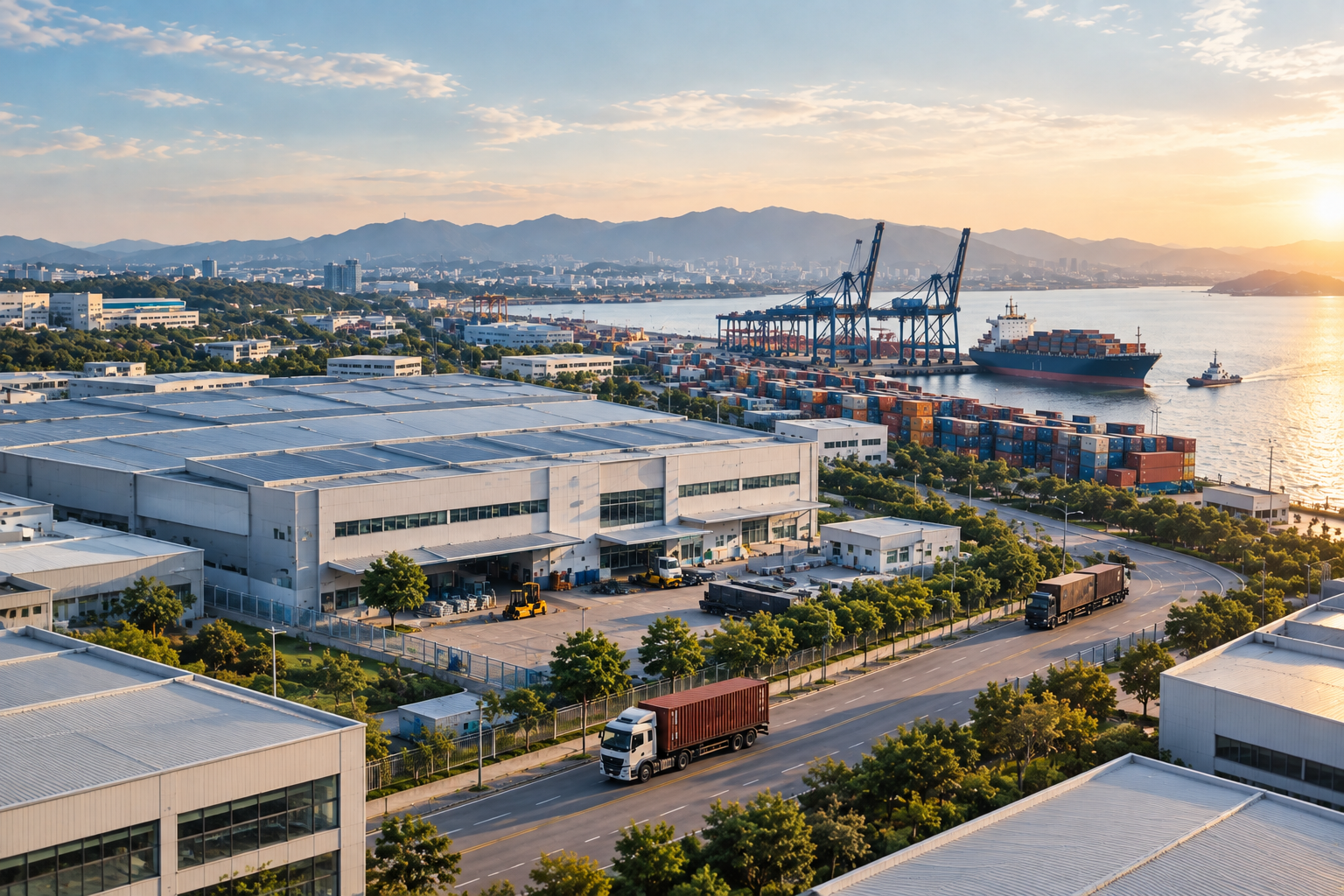
From Globalisation to Regionalisation: What It Means for UK–Viet Nam Trade

Global trade remains resilient in 2026, but the logic behind it is changing. As geopolitical tensions, supply disruptions, and industrial policy shifts continue to reshape international markets, businesses are increasingly reorganising supply chains around resilience and regional coordination rather than cost efficiency alone.
This shift is becoming increasingly visible across Asia. What began as “China+1” diversification strategies is gradually evolving into broader multi-market manufacturing networks, as businesses expand production across economies such as Viet Nam, Thailand, and India — not simply to create backup capacity, but to build more resilient and regionally integrated supply-chain ecosystems. According to industry analysis, over 73% of Fortune 500 industrial firms now operate multiple manufacturing and sourcing footprints across Asia as part of broader regional diversification strategies [1].
In this context, regionalisation is emerging not as a retreat from globalisation, but as an evolution in how global trade operates.
The Structural Shift Behind Trade
The deeper shift behind today’s trade environment is not simply where businesses manufacture, but how supply chains are being organised. Rather than relying on highly fragmented global networks designed primarily for efficiency, companies are increasingly building regionally connected production ecosystems that prioritise resilience, operational continuity, and supply-chain coordination across multiple markets. This trend is also emerging alongside broader fragmentation in global trade policy. According to the WTO’s Global Trade Outlook 2026, only around 72% of global trade is now conducted under multilateral MFN rules, reflecting increasing shifts toward regional and strategic trade arrangements [2]
This trend is reinforcing the role of regional trade clusters such as ASEAN, the European Union, and North America within global production networks.
Regional Ecosystems and the Rise of Southeast Asia
As supply chains become more regionalised, Southeast Asia is taking on a larger role within global manufacturing networks. Rather than evaluating markets individually, businesses are increasingly assessing how production ecosystems connect across the region — from supplier networks and logistics infrastructure to trade agreements and long-term operational continuity.
This is particularly visible in sectors such as electronics and industrial manufacturing, where production diversification across Asia continues to accelerate. According to Vietnam Customs, Viet Nam’s exports of computers, electronics, and components exceeded US$30.7 billion in the first quarter of 2026 alone, up 45.5% year-on-year — highlighting the country’s increasing integration into Asia’s wider manufacturing and export networks [3].
Viet Nam’s Evolving Position Within Regional Supply Chains
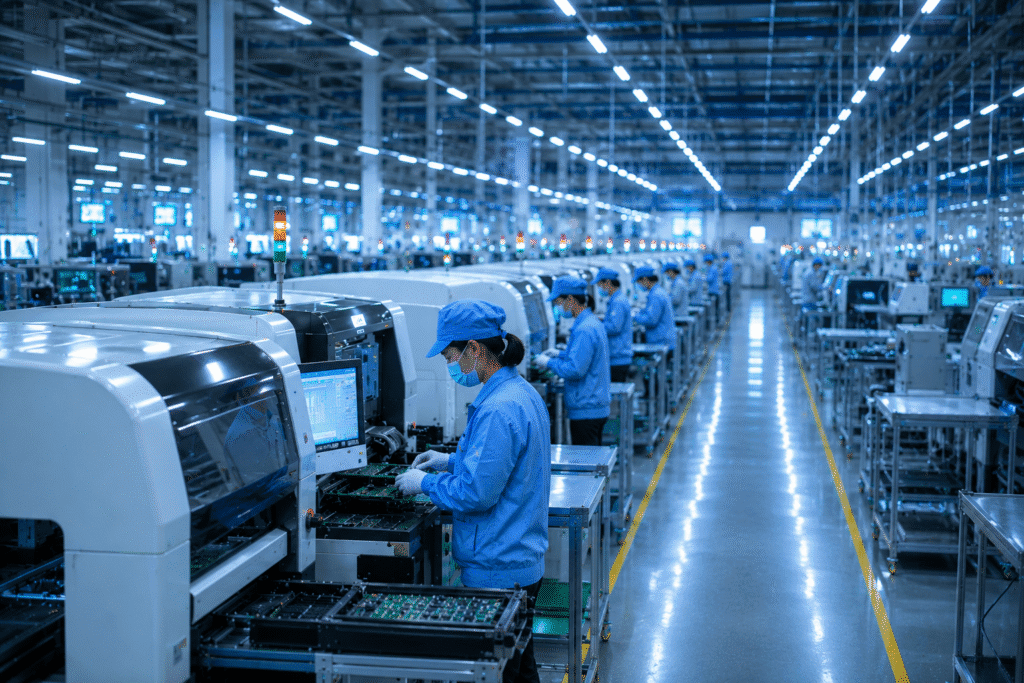
For Viet Nam, regionalisation is strengthening the country’s role beyond lower-cost manufacturing alone.
Ranked third in the 2026 Asia Manufacturing Index, Viet Nam is increasingly recognised for its transition from a low-cost assembly hub toward a more advanced industrial economy, supported by approximately US$38.42 billion in registered FDI in 2025 [4].
As businesses place greater emphasis on supply-chain resilience and regional integration, Viet Nam is increasingly being evaluated through a broader set of strategic advantages, including:
- its position within the ASEAN manufacturing ecosystem
- growing export integration across Asia
- operational reliability within diversified production networks
- expanding capabilities in sectors such as electronics and industrial manufacturing
At the same time, long-term competitiveness will depend not only on production capacity, but on how effectively businesses can integrate into regional supply chains.
Rethinking Trade Strategy Across Asia
For UK businesses, the regionalisation of supply chains is changing how sourcing and expansion strategies are evaluated across Asia. Decisions are becoming less focused on individual supplier access alone, and increasingly shaped by broader considerations around resilience, regional integration, and long-term operational continuity.
As a result, businesses are paying closer attention to factors such as:
- how production ecosystems function across multiple markets
- The resilience of regional supplier networks
- logistics connectivity and trade access within ASEAN
- long-term scalability across regional manufacturing systems
Trade Is Becoming Increasingly Ecosystem-Based
As global trade becomes more regionalised, competitive advantage is increasingly shaped by how effectively businesses position themselves within broader production ecosystems. Network integration, regional coordination, and operational resilience are becoming as important as manufacturing scale or cost efficiency alone, and the businesses that navigate this well are those that treat supply chain positioning as a strategic decision, not a procurement one.
In this environment, long-term trade competitiveness may depend less on accessing the lowest-cost market and more on the ability to operate reliably within interconnected regional supply chains. This is also increasing the importance of direct market visibility and on-the-ground engagement, as businesses seek to better understand how regional production ecosystems operate in practice.
Platforms such as the Viet Nam International Sourcing Expo can help businesses connect directly with manufacturers and suppliers, gain closer visibility into regional production capabilities, and build partnerships grounded in operational realities across Viet Nam and the wider ASEAN market.
Vietnam International Sourcing Expo 2026
Time: 03–05 September 2026
Venue: Saigon Exhibition and Convention Center (SECC), Ho Chi Minh City
For more information and registration: https://vietnamsourcingexpo.vn/en/register/
Sources
[1] YRules – The Rise of “China+Many” Supply Chains
[2] WTO Global Trade Outlook and Statistics, March 2026
[3] Vietnam Customs / VOV – Electronics exports surge 45% to over US$30.7 billion in Q1 2026
[5] Vietnam Briefing – Vietnam’s Manufacturing Ecosystem and Global Supply Chain Positioning