Business leaders are navigating a trade environment that looks fundamentally different from just a few years ago. Decisions about investment, supply chains, and market expansion are increasingly shaped by geopolitical developments, industrial policy, and technology alongside traditional commercial considerations. The World Trade Organization (WTO) notes that growing trade fragmentation continues to reshape global trade patterns and business strategy. As a result, trade is evolving beyond an operational function and becoming a strategic capability that influences long-term business decisions.
Permanent uncertainty is changing the role of trade
Global trade is continuing to grow, but the environment in which businesses operate is becoming significantly less predictable. According to the APEC Regional Trends Analysis 2026, resilient trade and continued investment in AI-related industries are expected to support regional economic growth. At the same time, increasing trade restrictions, policy uncertainty, and technology concentration are emerging as long-term risks for businesses.
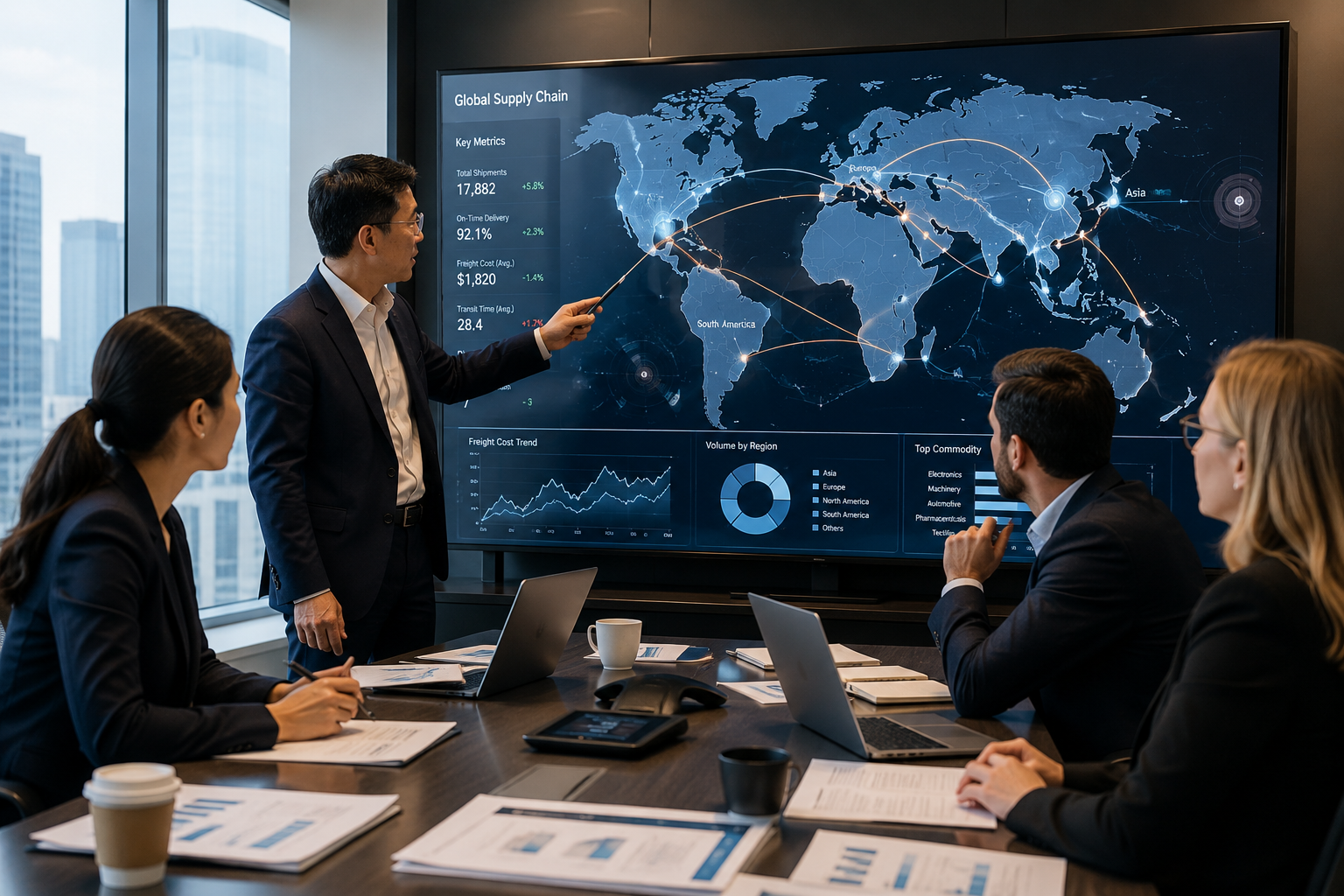
The impact is already visible in global trade forecasts. UNCTAD projects global merchandise trade growth to slow from 4.7% in 2025 to around 1.5–2.5% in 2026, as geopolitical tensions, changing trade policies, and disruptions across key shipping routes continue to affect international commerce [1].
For businesses, trade is no longer just about moving goods—it is about making better decisions. As uncertainty becomes the norm, trade is becoming a capability that helps organisations anticipate risks and make better strategic decisions.
Trade decisions are becoming investment decisions
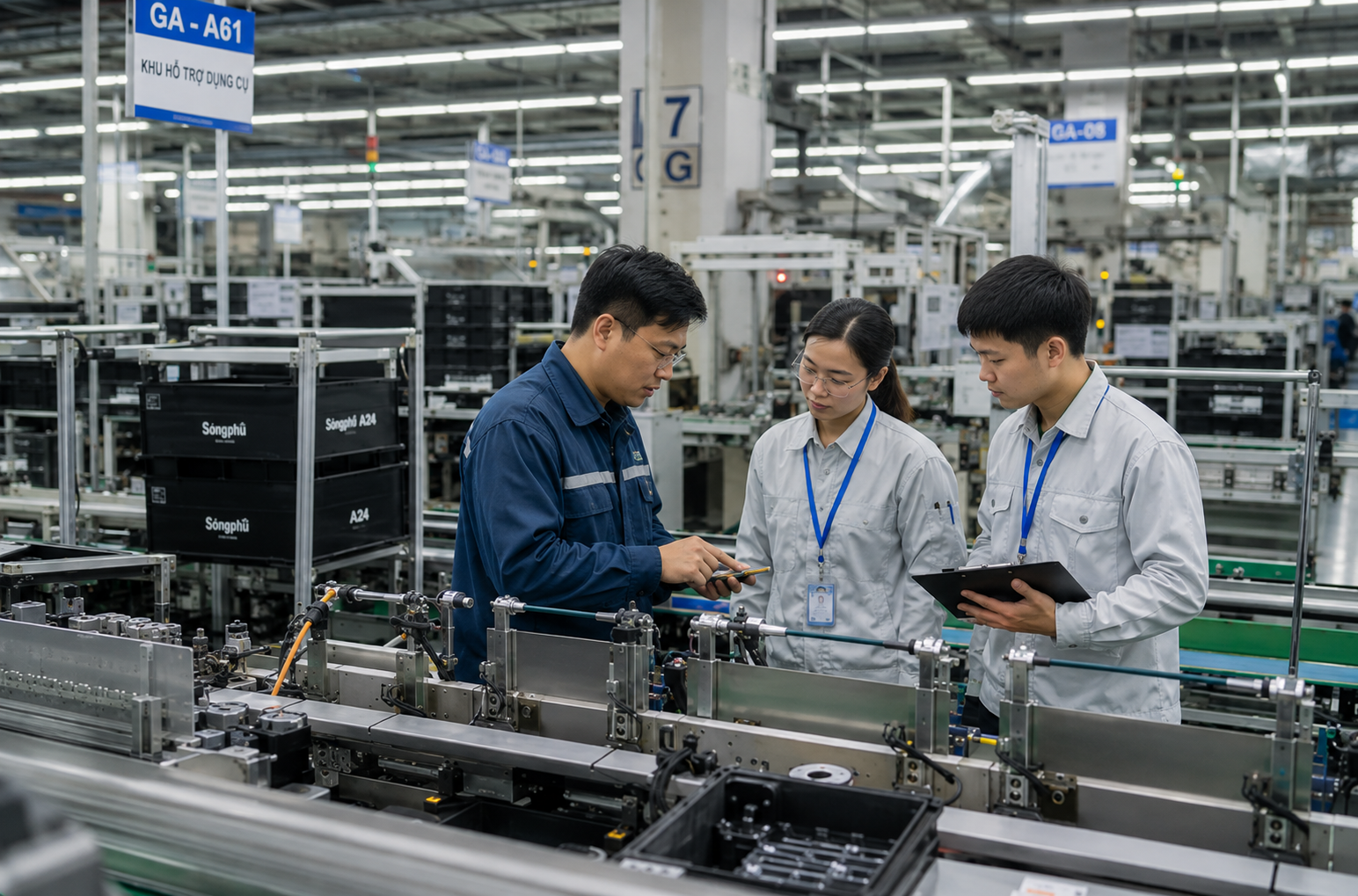
As uncertainty becomes a long-term business reality, companies are making trade decisions much earlier in the value chain. Instead of focusing solely on where to source products, businesses are increasingly using trade insights to determine where to invest, expand manufacturing capacity, and strengthen long-term supply chain resilience.
This shift is already visible across global trade and investment trends. According to McKinsey Global Institute, AI-related industries—including semiconductors and data centre equipment—accounted for around one-third of global trade growth in 2025, while Southeast Asia continues to strengthen its role as a global manufacturing hub despite ongoing supply chain restructuring [2]. Trade insights are increasingly informing decisions such as:
- where to expand manufacturing capacity
- which markets offer stronger long-term growth potential
- how to diversify supplier networks and reduce geopolitical risk
Trade is increasingly informing business strategy from the earliest stages of investment planning.
Technology is redefining trade capability
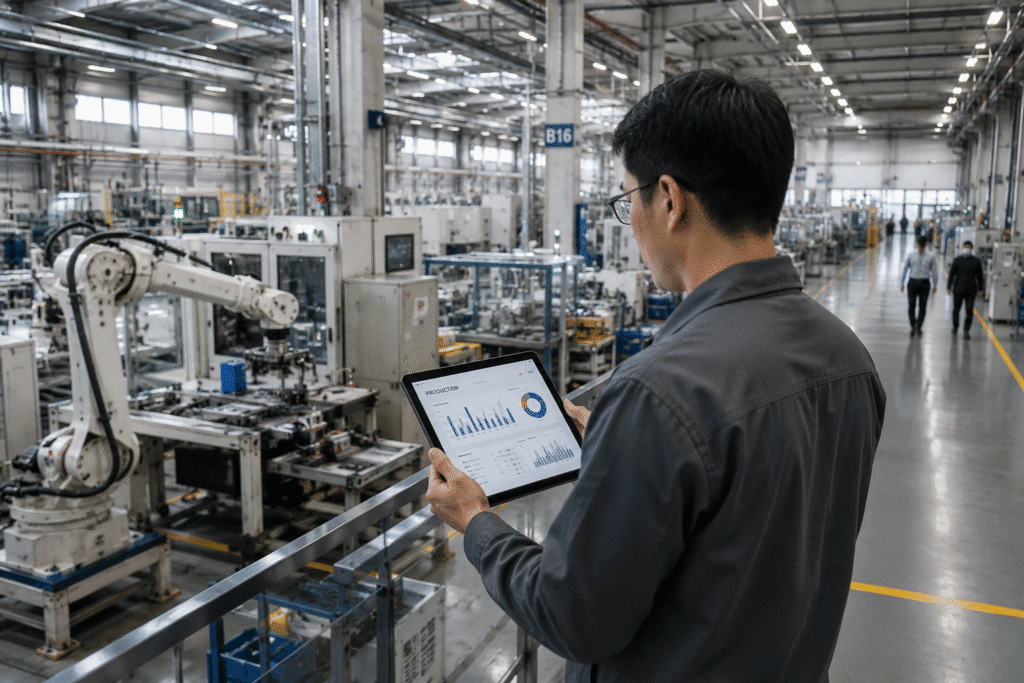
Technology is no longer simply improving trade efficiency—it is redefining what trade capability means. As businesses face increasingly complex supply chains, digital tools are helping them gain greater visibility, respond faster to market changes, and make more informed decisions.
This shift is also changing the role of trade teams. According to the Thomson Reuters Global Trade Report 2026, trade functions are evolving from compliance and documentation specialists into strategic business partners, with businesses accelerating investment in automation, AI, and supply chain visibility to support long-term decision-making [3]. Competitive advantage is increasingly determined not only by how efficiently goods move, but by how effectively businesses use trade intelligence to make better decisions.
Trade capability is becoming business capability
Trade is playing a broader role in how businesses plan for long-term growth. As companies respond to tariff uncertainty, supply chain realignment, and geopolitical risks, decisions around production footprints, supplier networks, and investment priorities are becoming more closely connected. In many organisations, trade leaders are contributing directly to strategic planning alongside operations, procurement, and finance.
For internationally focused businesses, trade capability has become an important driver of long-term competitiveness. Organisations that can anticipate market changes, strengthen supply chain resilience, and make informed trade decisions are better positioned to adapt and grow in an increasingly uncertain global environment.
As trade continues to play a more strategic role, direct engagement across global supply chains is becoming increasingly important. Viet Nam International Sourcing Expo 2026 offers businesses an opportunity to connect with trusted partners, explore regional manufacturing capabilities, and gain first-hand insights into the trends shaping global trade.
Vietnam International Sourcing Expo 2026
Time: 03–05 September 2026
Venue: Saigon Exhibition and Convention Center (SECC), Ho Chi Minh City
For more information and registration: https://vietnamsourcingexpo.vn/en/register/
References:
[1] UNCTAD, Trade and Development Foresights 2026
[2] McKinsey Global Institute, Geopolitics and the Geometry of Global Trade: 2026 Update
[3] Thomson Reuters. Global Trade Report 2026.