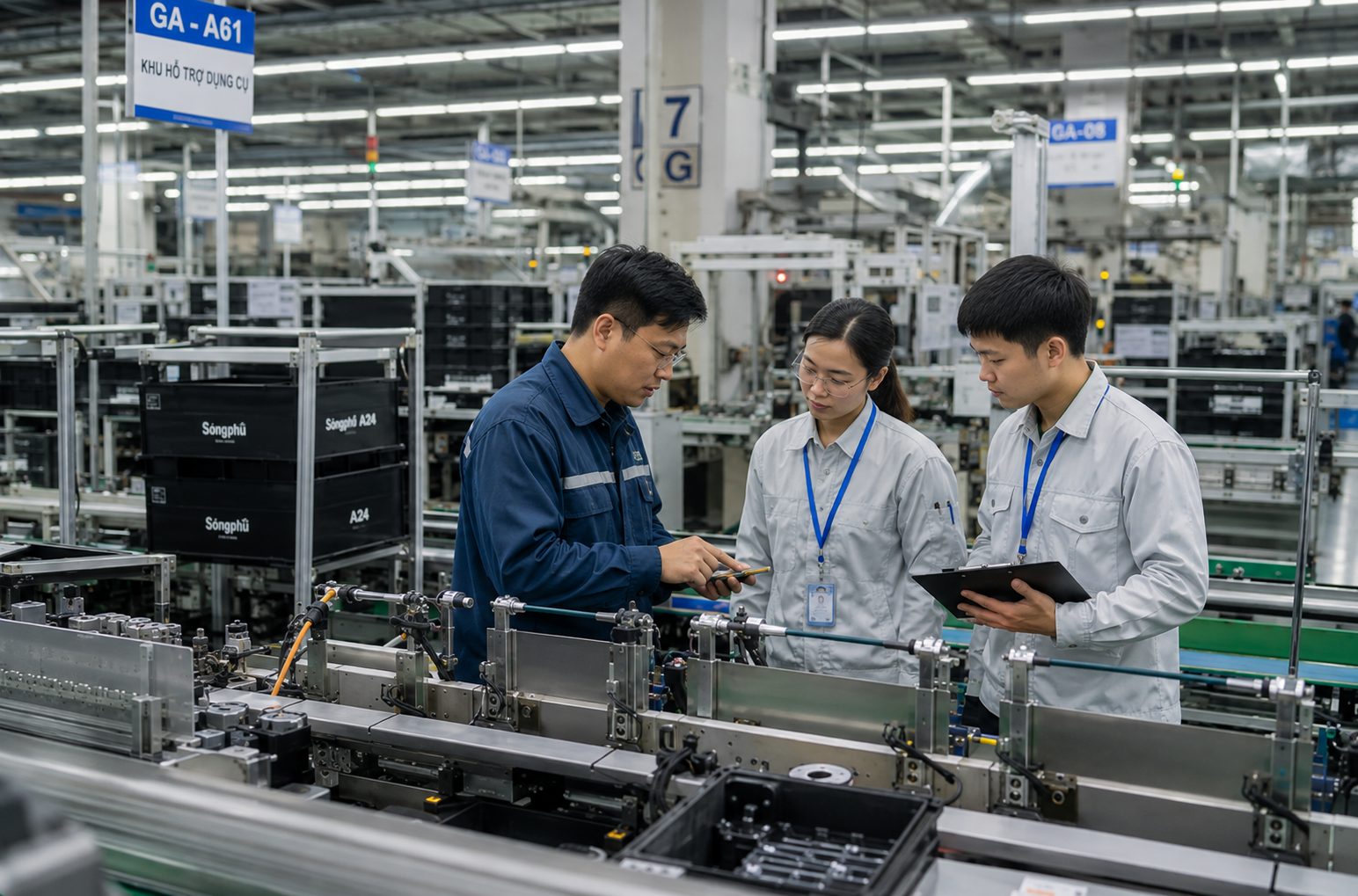
Finding a supplier has never been easier.
Today, businesses can search global supplier directories, compare manufacturers online, review certifications and request quotations within hours. Access to supplier information is no longer the biggest challenge.
The real challenge is knowing which information should shape the sourcing decision.
A supplier may offer the right product at the right price, but whether it is the right long-term partner depends on much more: market conditions, supply-chain risk, manufacturing capability, total cost and strategic fit.
Finding information is not the same as having visibility
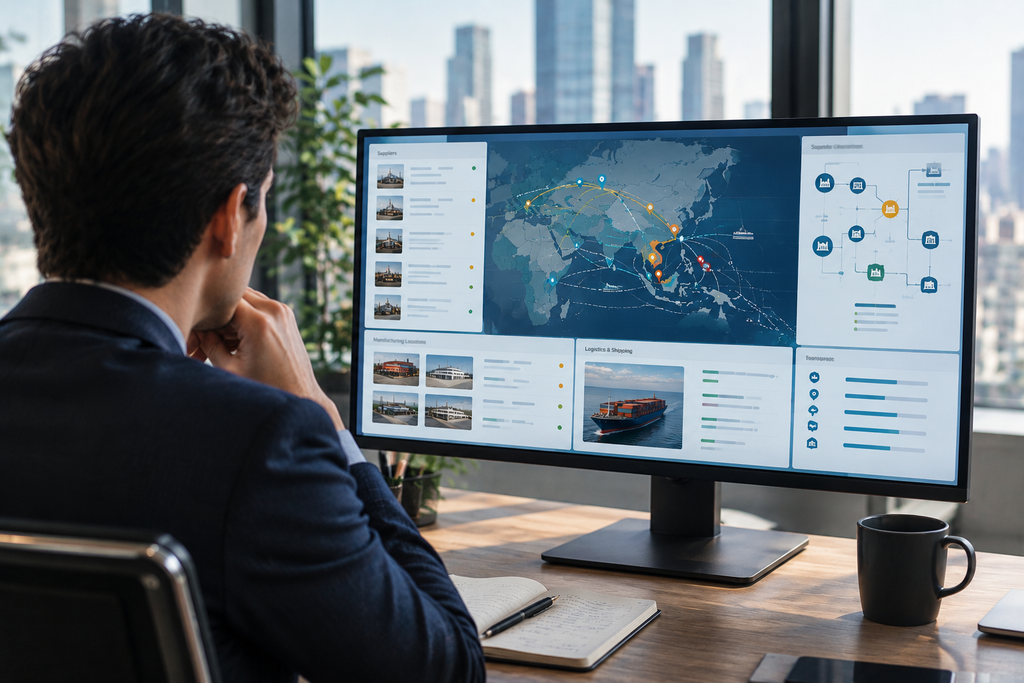
Businesses have more sourcing information than ever before, yet many still struggle to understand their supply chains.
According to QIMA’s 2026 Global Sourcing Survey, companies now map an average of 60% of their supplier network, but only 18% have full end-to-end visibility across their supply chains. The same survey found that 43% of businesses shifted sourcing locations in 2025, amid tariff, cost and supply-chain pressures. [1]
Supplier discovery alone therefore gives buyers only a partial view of sourcing risk. Businesses also need visibility into markets, logistics and supplier ecosystems.
Sourcing is becoming a strategic business decision
Thomson Reuters’ 2026 Global Trade Report found that 68% of trade professionals identify supply-chain management as their top strategic priority, while 43% report enhanced influence over procurement decisions. [2]
Sourcing decisions are increasingly shaped not only by procurement, but also by operations, finance, logistics and risk management.
Instead of asking “Who can supply this product?”, businesses are increasingly asking:
“Which sourcing option best balances cost, resilience and long-term capability?”
A supplier should never be evaluated in isolation
A supplier is shaped by the market around it.
When evaluating a sourcing destination, businesses need to consider more than an individual factory. Supporting industries, logistics infrastructure, supplier density and regional manufacturing links all influence long-term competitiveness.
This is particularly relevant in Southeast Asia, where businesses often source through interconnected regional production networks.
For businesses exploring Viet Nam, the question is not simply: “What can Viet Nam produce?” It is also: “How does Viet Nam connect with the wider ASEAN manufacturing ecosystem?” Understanding those connections can provide a more complete picture of sourcing resilience than evaluating suppliers in isolation.
Price is visible. Total cost is not.
The easiest number to compare is usually the supplier’s quoted price. The harder number to calculate is the total cost of sourcing.
A lower unit price may still result in higher overall costs once businesses account for:
- Logistics and freight
- Tariffs and customs
- Inventory requirements
- Quality and rework
- Lead-time variability and supply disruption
Strategic sourcing therefore shifts the conversation from “Which supplier is cheapest?” to “Which option delivers the best long-term value?”
Supplier capability is more than production capacity
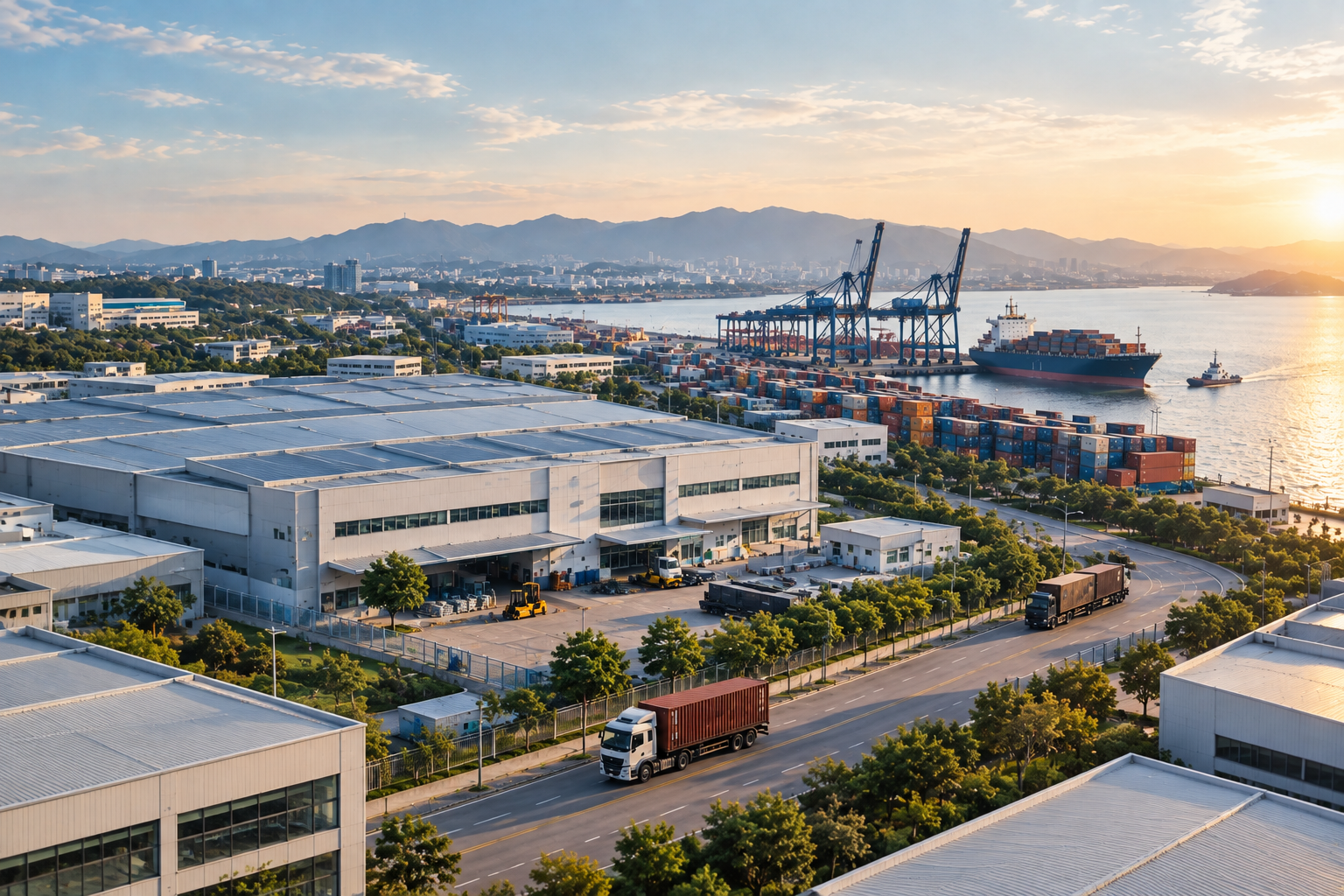
Production capacity answers only one question: Can they make enough?
A stronger sourcing strategy evaluates whether a supplier can consistently support the business over time. That includes quality performance, lead times, scalability, compliance, communication and the ability to adapt when demand or specifications change.
The distinction is important.
A capable manufacturer is not simply one that can produce the product. It is one that can reliably support the buyer’s operational and commercial objectives over time.
From supplier discovery to sourcing strategy
The strongest sourcing decisions connect different types of information before supplier negotiations begin.
Market → Supply-chain risk → Regional ecosystem → Total cost → Supplier capability → Long-term fit
The objective is not to collect more data.
It is to identify the information that matters most for the decision being made.
What this means for businesses sourcing from Viet Nam
For UK businesses evaluating Viet Nam, the opportunity should be assessed beyond supplier price.
Viet Nam has developed manufacturing and export capabilities across sectors including electronics, machinery, textiles and wood products, while remaining integrated with regional production networks. [3]
This is where market intelligence and local connections can help businesses assess supplier capability, sector developments and potential partners.
Through its trade promotion work, the Viet Nam Trade Office in the UK supports UK businesses with market information and connections to relevant business networks in Viet Nam.
For businesses exploring Viet Nam’s food and agriculture sector, Vietnam Foodexpo 2026 provides a practical opportunity to put this approach into action. The exhibition brings together Vietnamese manufacturers, exporters, distributors, and international buyers, with business matching and face-to-face meetings designed to support new business connections.
Taking place from 11–14 November 2026 at SECC in Ho Chi Minh City, Vietnam Foodexpo 2026 is expected to bring together 700+ exhibitors from more than 20 countries and 25,000+ trade visitors.
For UK businesses looking to explore Vietnamese food and agriculture suppliers, the event offers an opportunity to move from researching the market to meeting potential partners directly.
Register to attend Vietnam Foodexpo 2026: https://foodexpo.vn/en/index.php
As supplier information becomes more accessible, the value lies in knowing which opportunities and partners make sense for the business.
References
- QIMA. 2026 Global Sourcing Survey.
- Thomson Reuters Institute. 2026 Global Trade Report.
- World Bank. Viet Nam Economic Update: Sustaining Reforms, Navigating Uncertainty, May 2026.